



Valuation of Antique and Rare Books: Appraisal and Auction

Key takeaways
- First editions by major authors (Proust, Flaubert) can fetch between 2,000 and 100,000 euros, depending on their condition and original binding.
- A book’s value depends on the author, whether it is a first edition, its condition, and whether it is inscribed (which adds 50 to 200 percent to the value).
- Incunabula and medieval manuscripts represent the rarest segment, priced between 10,000 euros and several hundred thousand.
First editions, artist-bound books, and incunabula: the value of antique books varies greatly depending on the edition, the binding, and the condition.
Below you’ll find all our valuation guides dedicated to antique books—first editions, incunabula, fine bindings, and manuscripts. Each guide details the price ranges observed at auction and the factors that determine a book’s value before it is entrusted to our state-certified auctioneers.
Guides on this type of item
See all guides >
Understanding a Book's Market Value
What Is a Book’s Market Value?
A book’s market value refers to the reference value assigned to it by the market at a given moment, based on the author, edition, condition, binding, and rarity of the copy.
The market for antique and rare books is one of the most specialized and discreet segments of the collecting world, driven by passionate bibliophiles whose knowledge and discerning tastes fuel a constant demand for the most valuable copies.
This market often operates outside the traditional channels of general-interest auctions, with the highest prices typically achieved at specialized auctions organized by auctioneers with recognized expertise in bibliophilia.
The unique nature of this market stems from the coexistence of two very different valuation criteria: on the one hand, the bibliographic value linked to the work’s historical or literary significance and the rarity of the edition in question; on the other, the material value linked to the quality of the binding, the condition of the paper and illustrations, and the possible presence of handwritten annotations, author’s dedications, or stamps indicating prestigious provenance.
These two factors can combine to yield exceptional auction prices when a first edition of a major work is in remarkable condition with a high-quality period binding.
First editions, antique books, comic books, manga: Which works are valued?
The market for rare and antique books is organized into several categories, each with its own distinct valuation criteria. First editions of great literature constitute the most prestigious and sought-after segment; a first edition of Proust in very good condition or a first edition of Flaubert bound in a contemporary binding can fetch considerable auction prices at major Parisian sales.
Antique books in the strict sense—15th-century incunabula, 16th- or 17th-century scientific works, and 18th-century illustrated books—constitute a segment whose value depends as much on the historical significance of the work as on the condition of the paper and binding.
Rare comic books and collectible manga represent a more recent segment but one with very strong market momentum, driven by a generation of collectors who grew up with these works and are now willing to make significant financial investments to complete or enhance their collections.
A mint-condition first issue of *Tintin* or a first edition of certain seminal manga titles can fetch auction prices that may surprise the uninitiated but reflect the reality of intense demand for copies in perfect condition.
Type of Publication | Characteristics | Value Criteria | Market demand level |
First edition (classic literature) | First edition of a major work | Author, condition, period binding, dedication | Very high, international |
Illustrated antique book (18th century) | Period engravings, high-quality paper | Quality of the plates, condition of the paper, binding | Active, specialized bibliophiles |
Incunabulum (15th century) | Printed before 1500, exceptionally rare | Condition, illuminations, monastic provenance | Institutional, extremely rare items |
Rare comic books (Tintin, Asterix, Issue 1) | First editions, original covers | Untrimmed copy, condition near new | Very strong demand, growing popularity |
Artist’s book or bibliophile’s edition | Limited edition, signed original illustrations | Numbered, condition, artist’s signature | Active market, discerning collectors |
The criteria that determine a book’s market value
A book’s market value depends on a hierarchy of criteria, of which the author and the edition are the two fundamental pillars.
The first edition of a major novel will always be worth significantly more than subsequent editions, even when the latter are rarer in terms of print run, because it is the original edition that holds the primary historical value and the greatest bibliographic legitimacy.
Condition is the third determining factor: a copy in perfect condition—free of foxing, without tears, with an impeccable binding and untrimmed edges—will be worth several times more than the same book in poor condition.
The price ranges observed on the market illustrate this wide variation. A common used book typically sells for between 1 and 20 euros at a used bookstore. A beautiful illustrated book or a modest collector’s edition ranges from 50 to 500 euros.
A first edition by a recognized but not major author sells for between 200 and 5,000 euros. First editions by the greatest authors in world literature, in very good condition and with a high-quality period binding, can exceed several tens of thousands of euros.
Estimate in less than 24h
First editions, antique books, rare comics: all books have been appraised
The hierarchy of books and its impact on value
At the top of the bibliophilic hierarchy, incunabula and medieval manuscripts are objects of absolute rarity whose value stems as much from history as from the art market.
Immediately below them, the great illustrated books from the 16th to the 18th centuries—particularly botanical, zoological, and geographical works whose engraved or lithographed plates are true works of art in their own right—occupy a prominent place in the most discerning collections.
First editions in bound volumes of the great literature of the 19th and early 20th centuries form the most dynamic core of the contemporary bibliophile market.
Category | Characteristics | Price Range | Market Demand |
Incunabula (before 1500) or medieval manuscripts | Extremely rare, of historical significance | €10,000 — several hundred thousand € | Institutional |
First edition (major author, in perfect condition) | Flaubert, Proust, Balzac, Hugo... | €2,000 — €100,000 | Highly Sought-After |
High-quality illustrated antique book (18th century) | Engraved plates, period binding | €500 — €20,000 | Active |
Rare comic book (Issue 1, mint condition) | Tintin, Lucky Luke, first editions | 1,000 — 50,000 € | Very dynamic |
First edition signed by the author | Authentic handwritten dedication | Premium of 50–200% over base value | Highly sought-after |
First editions, numbered copies, and author's autographs: the most sought-after books
An “author’s copy”—a bibliophilic term referring to a handwritten dedication by the author on a copy of their work—is one of the most powerful factors driving value in the rare book market.
A copy inscribed by Proust to a close friend, by Apollinaire to Marie Laurencin, or by Céline to one of his correspondents can be worth several times as much as the same work without an inscription, as the connection thus established with the author’s biography lends the copy a documentary and emotional dimension that transcends its mere bibliographic value.
Copies printed on high-quality paper—limited editions of a few dozen copies printed on laid or Japanese paper—also hold a prominent place in the most ambitious collections.
Get a Free Book Appraisal
A certified appraisal by a licensed auctioneer in less than 24 hours
Accurately identifying an edition and assessing its value requires in-depth bibliographic knowledge that can only be acquired through specialized training.
Distinguishing a genuine first edition from a simple first printing, identifying a copy printed on high-quality paper among standard editions, and recognizing an authentic dedication: these are all areas of specialized expertise that our auctioneer offers free of charge, with a response in less than 24 hours.
What you need to provide for an online estimate (title, author, publisher, year, ISBN)
When requesting an estimate, please provide the exact title, author, publisher, and year of publication. For antique books, there is no ISBN, but any information regarding the place and date of printing is valuable.
Photographs of the title page, the colophon (if present), the binding, and the overall condition of the paper will allow for a more accurate estimate. Any dedications or handwritten notes must be documented with clear photographs.
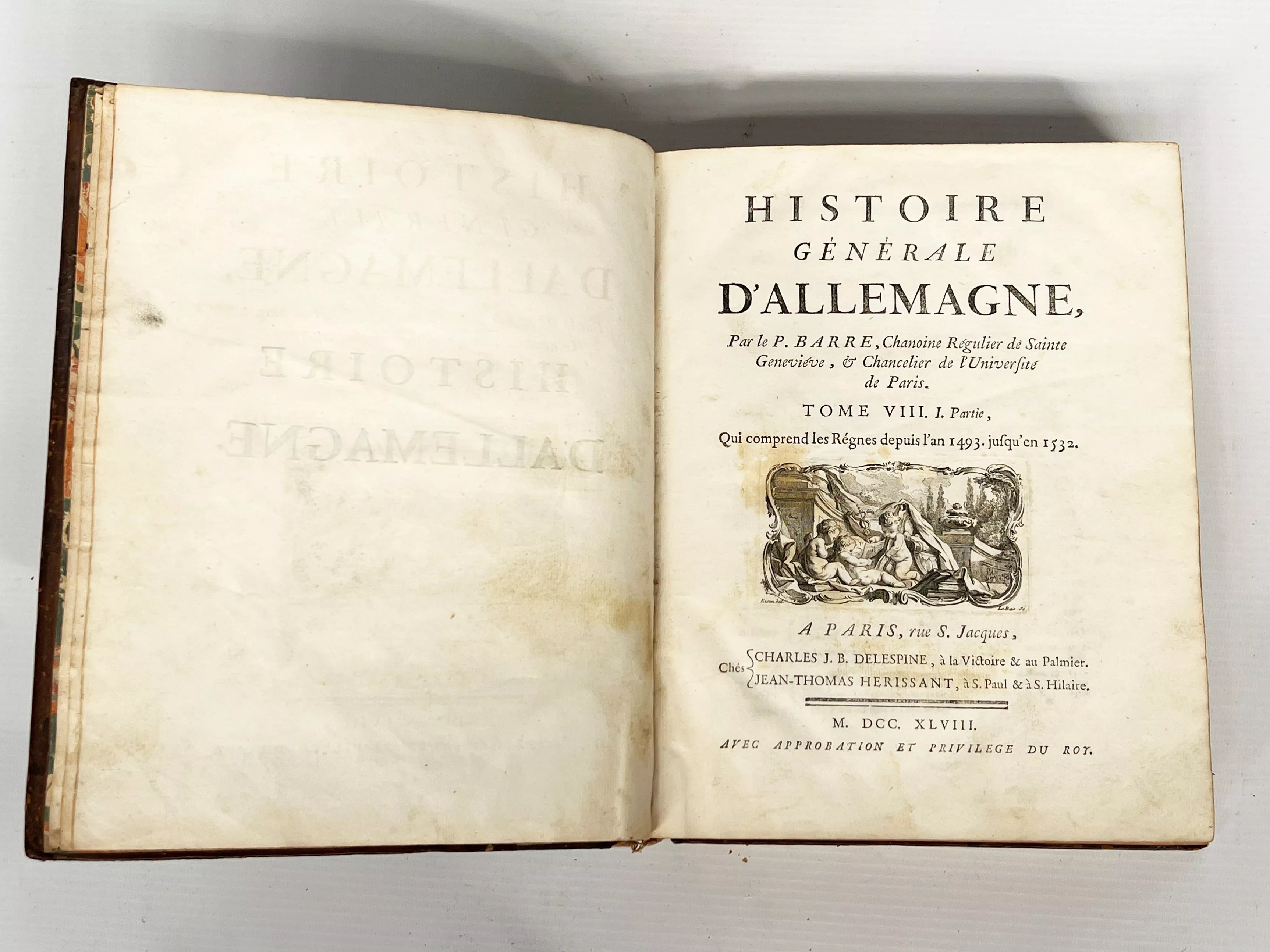
Author, Edition, and Condition: The Pillars of a Book's Value
Author, Publisher, and Year of Publication: Their Impact on Value
Criterion | Impact on Value |
Author (major figure vs. minor author) | Primary factor; a first edition by Proust is worth hundreds of times more than one by an obscure author |
Edition (first edition vs. reprint) | Fundamental difference; only the original possesses primary historical value |
Publisher (historically significant publisher) | NRF Gallery, original Gallimard: significant impact for certain periods |
Print run (numbered copy vs. standard copy) | High-quality paper editions and signed copies are worth several times the value of standard editions |
Author’s dedication | A premium of 50 to 200% depending on the recipient’s prominence and the content of the dedication |
Print run, binding, and condition: their impact on value
The binding of an antique book is a value-adding factor in its own right, particularly when it is period-appropriate and of remarkable quality. A red morocco leather binding bearing the coat of arms of a prominent historical collector, crafted by a renowned bookbinder, can sometimes be worth more than the book’s contents themselves.
The condition of the paper is also crucial: foxing—brown spots caused by paper oxidation—as well as insect damage or water stains significantly reduce a book’s value, whereas perfectly white, fresh-looking paper is a sign of exceptional quality for an antique book.
Sell Your Books at Auction with Auctie's
From the Starting Price to the Final Bid: How the Price Is Determined
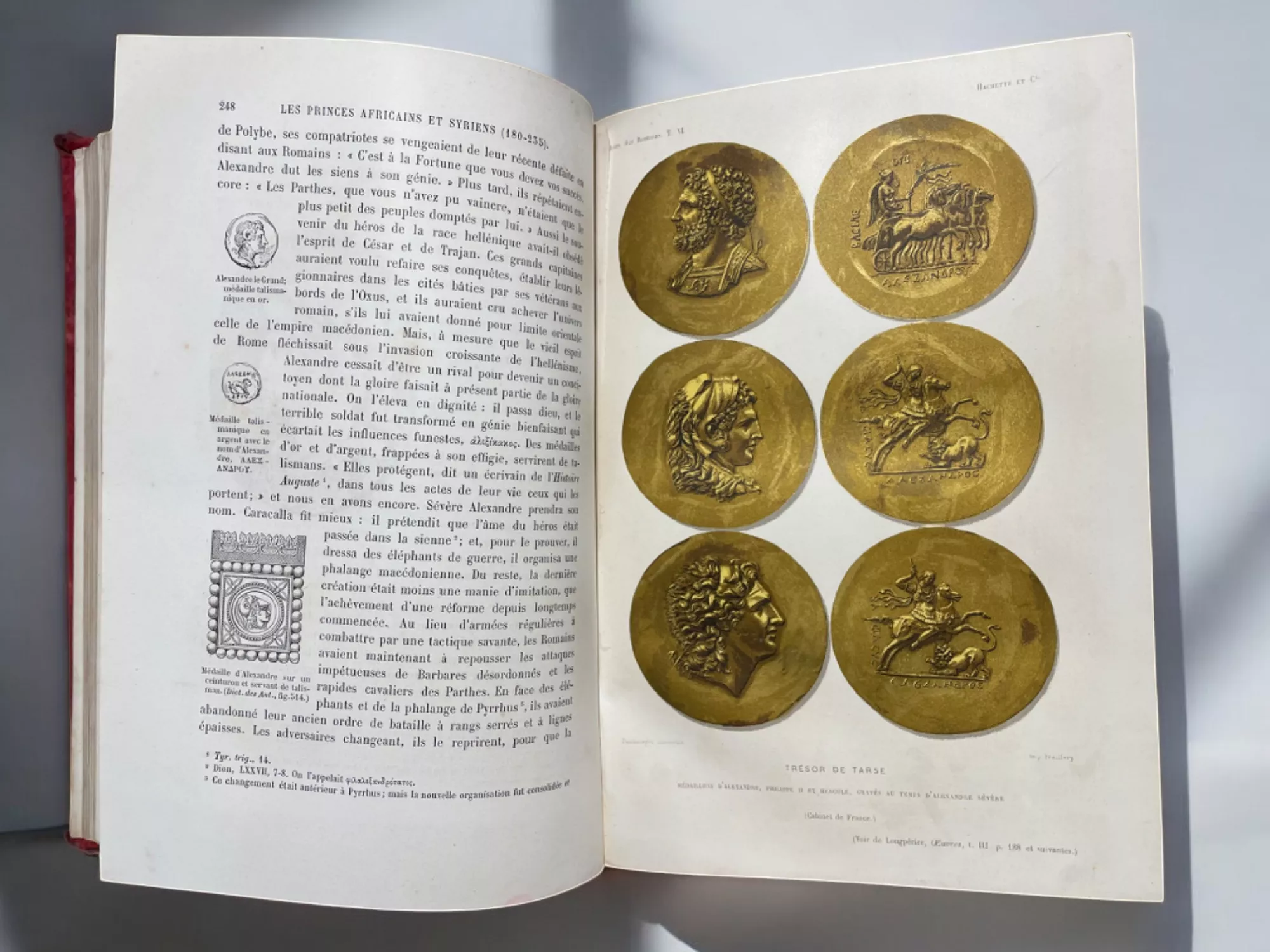
Auctions are the most effective way to sell high-quality antique and rare books, as they bring together book collectors whose in-depth knowledge of the market allows them to immediately recognize the value of an exceptional copy.
The reserve price must be set based on recent auction results for comparable editions, taking into account all the specific characteristics of the copy being offered.
Hôtel Drouot and Online Auctions: Reaching the Right Bidders
Auctie’s holds its auctions at Hôtel Drouot, which regularly hosts specialized auctions featuring antique books, bibliophile editions, and comic books, attracting an audience of particularly knowledgeable bibliophiles, booksellers, and collectors. Online distribution makes it possible to reach buyers from around the world.
Estate Planning, Inheritance: Valuing an Inherited Library
Estate Inventory and Distribution
Inherited book collections can hold unexpected treasures; a first edition acquired quietly decades ago may be worth a considerable amount today. Auctie’s works alongside notaries to compile rigorous bibliographic inventories, with each significant work identified and appraised individually.
Confidentiality and Anonymity Guaranteed
Auctie’s handles every case with absolute discretion. The owner’s identity is never disclosed to third parties without their explicit consent.
Glossary of Book Valuation and the Book Market
Term | Definition |
Valuation | The estimated market value of a book, determined based on auction results and demand. |
First Edition | The first published edition of a text, which holds the highest historical bibliographic value. |
Print run | The number of copies produced of a single edition; some print runs are numbered and signed. |
ISBN | International Standard Book Number, assigned since 1970; not found in older works. |
Binding | The assembly and covering of a book’s pages; a high-quality period binding significantly increases a book’s value. |
Ex-libris | A label or stamp affixed to a book to identify its owner; may enhance the book’s provenance. |
Author's copy | A handwritten dedication by the author on a copy; a major factor in increasing a book’s value. |
Incunabulum | A book printed before 1500; a term referring to the very first works produced using movable type. |
Bookseller | A bookseller specializing in antique or used books. |
Provenance | The history of a book’s ownership. |
Condition | The overall quality of a book’s paper, binding, and interior. |
Sold | Awarding of the lot to the highest bidder at the conclusion of an auction. |
Reserve price | The starting price set for the beginning of the auction. |
Estimate in less than 24h
Let Auctie's appraise your books
A rare book is an object that encapsulates—within just a few pages—historical, aesthetic, and material value that only an expert eye can fully appreciate.
Whether you want to know the value of an inherited library, have a first edition appraised, or sell a collection of rare comic books, Auctie's offers its bibliophilic expertise to you—free of charge and in complete confidence.
The appraisal is free, with no obligation, and you’ll receive a response within 24 hours.
Discover in the same theme

Auctioneer Villeurbanne: Valuation | Aucties
Have your artwork, jewelry, and collectibles appraised in Villeurbanne by the experts at Aucties. Free appraisal within 24 hours. ✅
Learn more >

Auctioneer Saint-Étienne: Valuation | Aucties
Have your artwork, jewelry, and collectibles appraised in Saint-Étienne by the experts at Aucties. Free appraisal within 24 hours. ✅
Learn more >

Auctioneer Reims: Art Valuation | Aucties
Have your artwork, jewelry, and collectibles appraised in Reims by the experts at Aucties. 100% free online appraisal within 24 hours. ✅
Learn more >

Secure site, anonymity preserved

Auctioneer approved by the State

Free and certified estimates
Frequently asked questions
-
What are the main factors that determine the value of an antique or rare book?A book’s value depends primarily on the author, the edition (first edition or reprint), the condition of the paper and binding, and the rarity of the copy. Handwritten dedications by the author, high-quality paper, and prestigious provenance are major additional factors that increase a book’s value. A copy in perfect condition—free of foxing or tears, with an impeccable period binding—will be worth several times more than the same book in damaged condition.
-
How can I have an antique book appraised and authenticated to determine its true value?Auctie's offers you a free, no-obligation appraisal conducted by a certified auctioneer specializing in antique books. To request an appraisal, please provide the title, author, publisher, and year of publication, and send photos of the title page, the binding, and the book’s overall condition. You’ll receive a detailed response within 24 hours, allowing us to precisely identify the edition and assess its market value.
-
What are the price ranges for the different categories of antique and rare books?A typical used book costs between 1 and 20 euros. A beautiful illustrated book ranges from 50 to 500 euros. A first edition by a renowned author sells for between 200 and 5,000 euros. First editions by the greatest authors in very good condition can exceed tens of thousands of euros. Incunabula and medieval manuscripts, which are extremely rare, can fetch several hundred thousand euros.
-
Is this the right time to sell my antique and rare books at auction?Yes, the market for antique and rare books is currently very active, driven by steady demand from passionate bibliophiles and discerning collectors. First editions by major authors, rare comic books, and high-quality illustrated books are experiencing sustained commercial momentum. Auctions, particularly at the Hôtel Drouot, allow you to put your copy up for bid against buyers from around the world.
-
How does the auction process work with Auctie's when selling an antique book?Auctie's guides you from the free appraisal all the way through to the auction. After appraising your item and determining its starting bid based on recent market trends, we offer it for sale at our specialized auctions at the Hôtel Drouot. Online promotion allows us to reach book lovers and collectors around the world, ensuring the best possible value for your item.
