



Antique Coin Appraisal and Auction

Key takeaways
- The value of an antique coin depends on its rarity, condition, and comparable auction results, as recorded in specialized catalogs.
- Common coins are worth 20 to 200 euros, Roman coins 30 to 500 euros, rare Greek coins 500 to 10,000 euros, and Napoleonic coins in good condition 300 to 3,000 euros.
- Condition and grading according to the international scale are key factors: even slight differences in wear can significantly affect the value.
Ancient coins, royal coins, and rare issues: the value of antique coins varies greatly depending on the metal, rarity, and condition.
Below you’ll find all our valuation guides dedicated to antique coins—including ancient coins, royal coins, and collector’s issues. Each guide details the price ranges observed at auction and the factors that determine a coin’s value before you entrust it to our state-certified auctioneers.
Guides on this type of item
See all guides >Understanding the Value of an Antique Coin
What Is a Coin’s Market Value?
The value of an antique coin refers to its benchmark market value, which is determined based on its rarity, condition, and recorded auction results for comparable specimens.
This value, listed in regularly updated specialized catalogs, serves as a reference for both collectors and experts, though it does not replace a direct examination of each individual coin.
Unlike other categories of art objects, numismatics benefits from particularly extensive documentation; for the best-studied periods, each type of coin has been the subject of a nearly exhaustive inventory of known mintages and variants.
Ancient coins, collector’s coins, and investment coins: what are the differences?
It is important to distinguish between ancient coins— whether Roman, Greek, or historical French, whose value is based primarily on their rarity and historical significance, from more recent collector’s coins, valued for their limited mintage or specific year of issue, and finally from investment coins, whose value is primarily tied to the price of gold or silver.
Type of Coin | Period | Material | Market demand level |
Roman or Greek coins | Antiquity | Gold, silver, bronze | High for rare types |
French écus or louis d'or | 17th–18th centuries | Gold or silver | High |
Napoleon coin | 19th century | Gold | Very high |
Investment coin or bar | Contemporary | Gold | Stable, tied to the price of gold |
Factors that determine the value of an antique coin
The value of an antique coin is determined by several interrelated factors: the rarity of the coin type, the original mintage (when known), the mint of issue, the overall condition, and—for the most sought-after coins—the quality of the strike and the clarity of the reliefs still visible.
Category | Approximate Price Range |
Common French coins | 20 to 200 euros |
Common Roman coins | 30 to 500 euros |
Rare Greek coins | 500 to 10,000 euros |
Napoleon coin in good condition | 300 to 3,000 euros |
Grading a coin’s condition—the process of classifying a coin according to an internationally recognized scale—is a delicate technical exercise, in which even slight variations in wear can significantly affect the coin’s appraised value. Some collectors have their rarest coins certified by specialized grading organizations, whose assessments are considered authoritative on the international market.
Estimate in less than 24h
Gold and silver coins, bullion: all numismatic items appraised
Auctie's appraises all numismatic items, from ancient coins to contemporary investment coins, as well as gold bars and small gold bars. This diversity requires a precise distinction between collectible value and the intrinsic value of the metal, which is the only way to accurately reflect the market value of each item.
Gold Coins and Gold Bars: Between the Price of Gold and Numismatic Value
Gold coins and gold bars are unique in that their value is determined by two distinct factors: their minimum value is set by the spot price of gold per unit of weight, while their numismatic value—when applicable—can significantly exceed this minimum value for rare or historically significant pieces. The expert determines, for each coin, which of these two factors prevails.
Type | Weight or Size | Estimated Market Price | Collectible value |
Napoleon 20-franc gold coin | 6.45 grams | Gold Price Tracker | Numismatic premium depending on the year of issue |
10-gram gold bar | 10 grams | Gold Price Tracker | Primarily for investment purposes |
Antique gold ecu | Varies by type | Tracks the price of gold | Significant numismatic premium |
Silver coins and collectible coins: an accessible market
Silver coins and more common collectible coins represent a more accessible market segment, where values nevertheless remain sensitive to the condition and relative rarity of the specific issue.
This market attracts novice collectors, for whom building a themed collection remains an accessible pleasure.
Preserving a collection of antique coins requires special care; any abrasive cleaning is strictly prohibited, as it could irreparably damage the coin’s natural patina—a feature highly sought after by knowledgeable numismatists and a key factor in assessing a coin’s condition.
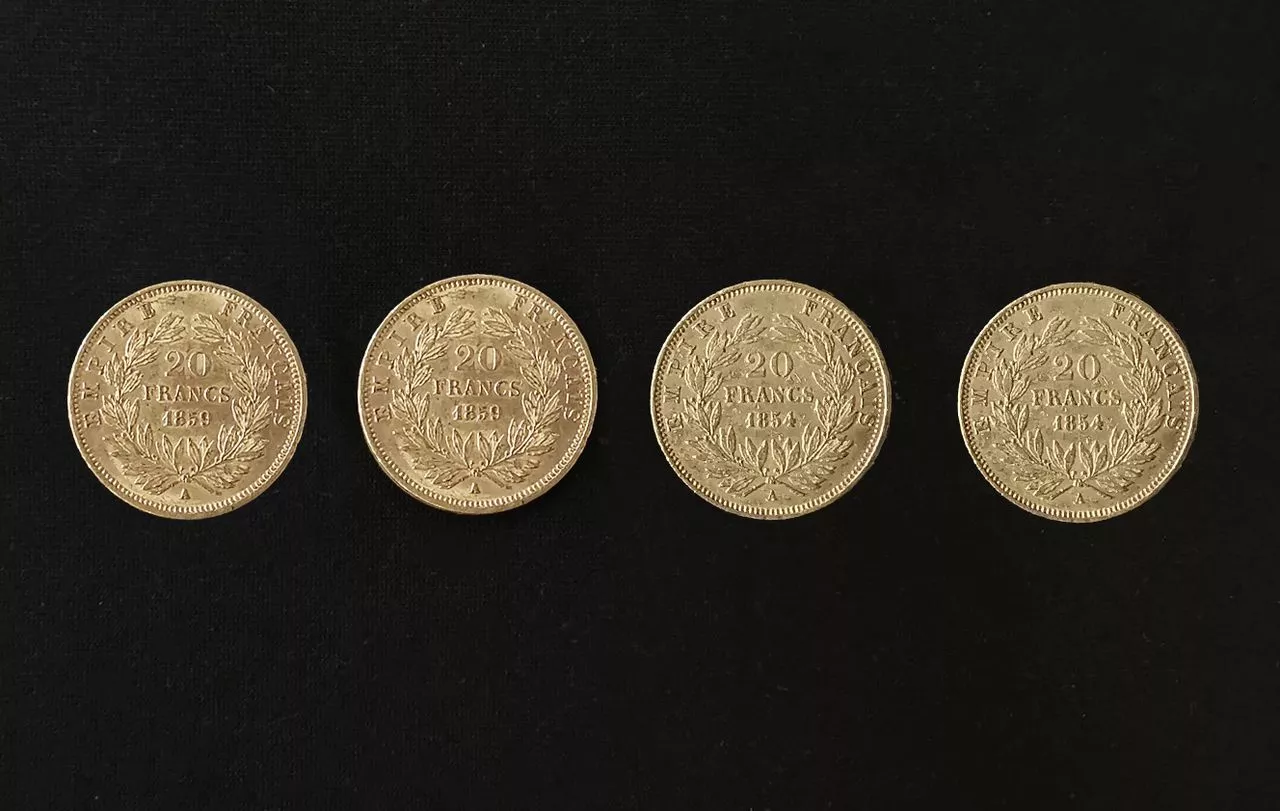
Get a Free Appraisal of an Antique Item
Auctie's offers any owner of antique items or coins a free appraisal service, conducted by a state-certified auctioneer, within twenty-four hours.
A valuation certified by a licensed auctioneer in less than 24 hours
This appraisal is based on a review of detailed photographs of each coin—both the obverse and reverse—allowing the expert to assess the coin’s condition, the legibility of the inscriptions, and the rarity of the specific coin type.
Free appraisal in less than 24 hours Trust Auctie’s to appraise your antique coins: a certified response within 24 hours, with no obligation and complete confidentiality. |
What You Need to Provide for an Online Appraisal
To enable the expert to provide an accurate estimate, we recommend that you submit the following:
Clear photographs of the obverse and reverse of each coin
The coin’s weight, if you have a precision scale
Any visible inscriptions, dates, or mint marks
The circumstances of acquisition or inheritance, if known
Attribution, Authenticity, and Rarity: The Pillars of Numismatic Valuation
Identifying an Ancient Coin: Date, Mint, and Mintage
Accurate identification of an ancient coin relies on reading the date, identifying the mint of issue—often indicated by a letter or a discreet symbol—and knowing the original mintage, when documented in reference catalogs.
Level of Rarity | Impact on Value |
Standard mintage, main mint | Limited impact, value close to the metal value |
Limited mintage or secondary mint | Moderate to high impact |
Rare variety or documented minting error | Very high impact |
Condition and Authenticity: Their Impact on Value
Condition, graded according to an industry-recognized scale, is a key factor in determining a coin’s numismatic value. A coin with minimal wear and still-defined relief commands a significantly higher value than a comparable specimen that is heavily circulated. Authenticity, meanwhile, must be established with certainty, as counterfeits are common among the most sought-after types.
Sell Antique Items at Auction with Auctie's
From the reserve price to the final bid: how the price is determined
The auction of an antique item begins with setting a reserve price consistent with the initial estimate. Bidders then place bids in succession until the item is sold, at which point the final price is determined.
Hôtel Drouot and Online Auctions: Reaching the Right Bidders
The reputation of Hôtel Drouot, combined with the growth of online auctions, allows us to reach an international audience of collectors and dealers who are particularly interested in rare coins and cohesive collections.
“Auctie’s appraised and then sold the collection of ancient coins we had inherited, with complete transparency regarding the valuation method used for each piece.”
Testimonial from a client, sale conducted by Auctie’s.
This international reach particularly benefits the best-documented ancient coins, for which demand comes from collectors in Europe, North America, and Asia alike; this imbalance between limited supply and global demand sustainably supports the price levels observed at major specialized auctions.
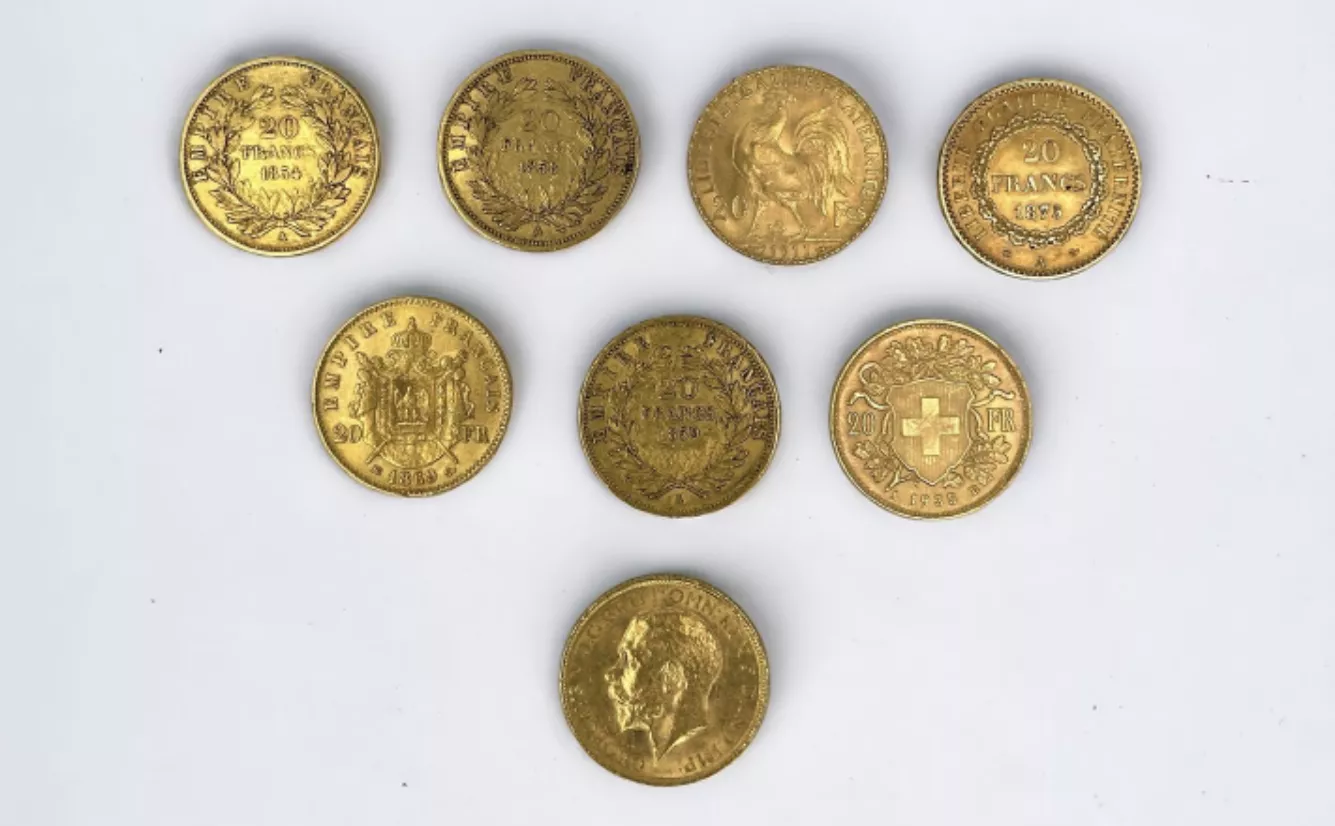
Estate Planning, Inheritance: Valuing an Inherited Collection of Antiques
Inventory and Distribution of an Estate
In the context of an estate, taking inventory of an inherited coin collection is an essential preliminary step before the distribution of the estate. Engaging a licensed auctioneer allows for the establishment of an objective value for each coin, even for the largest collections.
Confidentiality and Anonymity
Auctie’s guarantees every owner absolute confidentiality throughout the appraisal process, with anonymity preserved until the decision—if any—is made to proceed with a sale.
Ultimately, the value of an antique coin is always determined by the interplay of two complementary factors: the intrinsic value of the precious metal from which it is made, and the numismatic premium conferred by its historical rarity. It is this dual perspective that Auctie’s is committed to reflecting in every appraisal provided to owners.
Glossary of Appraisal and Numismatics
Term | Definition |
Market Value | Reference market value assigned to a coin on the market |
Numismatics | The study of coins and medals |
Gold écus | A French gold coin minted from the Middle Ages through the 18th century |
Auction | Final award of the item to the highest bidder |
Reserve price | Starting price set for the opening of bidding |
Gold price | The benchmark price of gold on financial markets |
Mint | The place where a coin is minted, identifiable by a mark |
Catalog raisonné | A comprehensive directory listing all known types of coins |
Estimate in less than 24h
Let Auctie's appraise your antique items
Free appraisal in less than 24 hours Auctie's, a state-certified auctioneer, will provide a free appraisal of your antique items in less than 24 hours, in complete confidentiality and with no obligation. |
Discover in the same theme

Auctioneer Provence-Alpes-Côte d'Azur: Valuation – Aucties
Have your artwork, jewelry, and collectibles appraised in the Provence-Alpes-Côte d'Azur region by Aucties experts. 100% free appraisal e
Learn more >

Auctioneer Caen: Valuation – Aucties
Have your artwork, jewelry, and collectibles appraised in Caen by the experts at Aucties. 100% free online appraisal within 24 hours. ✅
Learn more >

Auctioneer Orléans: Art Valuation | Aucties
Have your artwork, jewelry, and collectibles appraised in Orléans by the experts at Aucties. 100% free online appraisal within 24 hours. ✅
Learn more >
Estimate in less than 24h
Frequently asked questions
-
What are the main factors that determine the value of an antique coin?The value of an antique coin depends on several factors: the rarity of the coin type, the original mintage, the mint where it was issued, and, above all, its condition. For gold or silver coins, it is also important to distinguish between the intrinsic value of the metal and the numismatic premium associated with the coin’s history and rarity. Even a slight difference in wear can significantly affect the coin’s value.
-
How can I get a free appraisal for an antique item at Auctie's?Auctie's offers a free appraisal by a state-certified auctioneer within 24 hours. Simply send clear photographs of the obverse and reverse, the weight if possible, and any visible details (year of issue, mint mark). This service is non-binding and completely confidential.
-
What is the difference between an antique coin, a collector's coin, and an investment coin?Ancient coins (Roman, Greek, and historical French) derive their value from their rarity and historical significance. More recent collectible coins are valued for their limited mintage or specific year of issue. Finally, the value of investment coins is primarily determined by the price of gold or silver, regardless of their rarity.
-
Is this the right time to sell a collection of vintage coins?Yes, the market for antique coins—particularly rare and historic ones—enjoys strong, international demand. Auctions, notably at Drouot, allow us to reach collectors and dealers in Europe, North America, and Asia, providing long-term support for the market values of well-documented coins.
-
How does the auction of an antique item work at Auctie's?Auctie's supports the seller from the initial estimate through to the final sale. The auction begins with an opening bid consistent with the estimate, followed by bidding until the lot is sold to the highest bidder. Auctie's national and international reach ensures that items are exposed to the right buyers.
