



Rating and value of lighting and furniture by Félix Agostini

Key takeaways
- Félix Agostini’s light fixtures and furniture sell for between €130 and €40,000 at auction, with particularly high prices for the furniture.
- A 1964 “Phoebee” coffee table fetched €40,000 in 2022, far exceeding its estimate of €18,000 to €22,000.
- Agostini’s (1910–1980) modernist design emphasizes clean lines, fine materials such as bronze and glass, and a balance between functionality and aesthetic value.
Félix Agostini’s light fixtures and sculptures sell for up to €40,000 at auction. An appraisal allows us to accurately determine the current market value of your Félix Agostini artwork and, if applicable, optimize the sale of the piece.
If you own a work by Félix Agostini and would like to know its value, our state-certified auctioneers will provide a free appraisal based on authenticity, market value, and recent market results.
Market Value of Félix Agostini’s Works
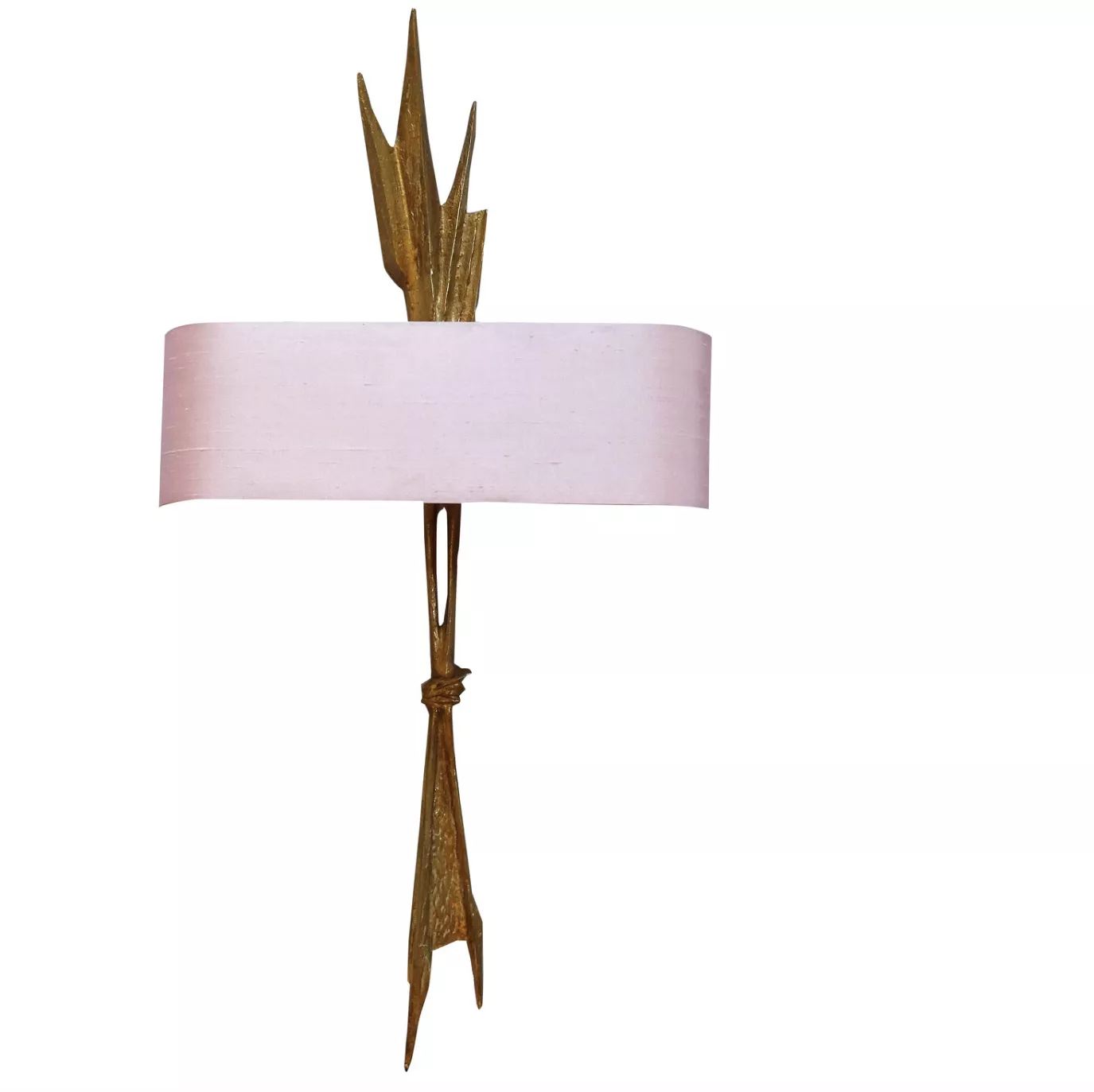
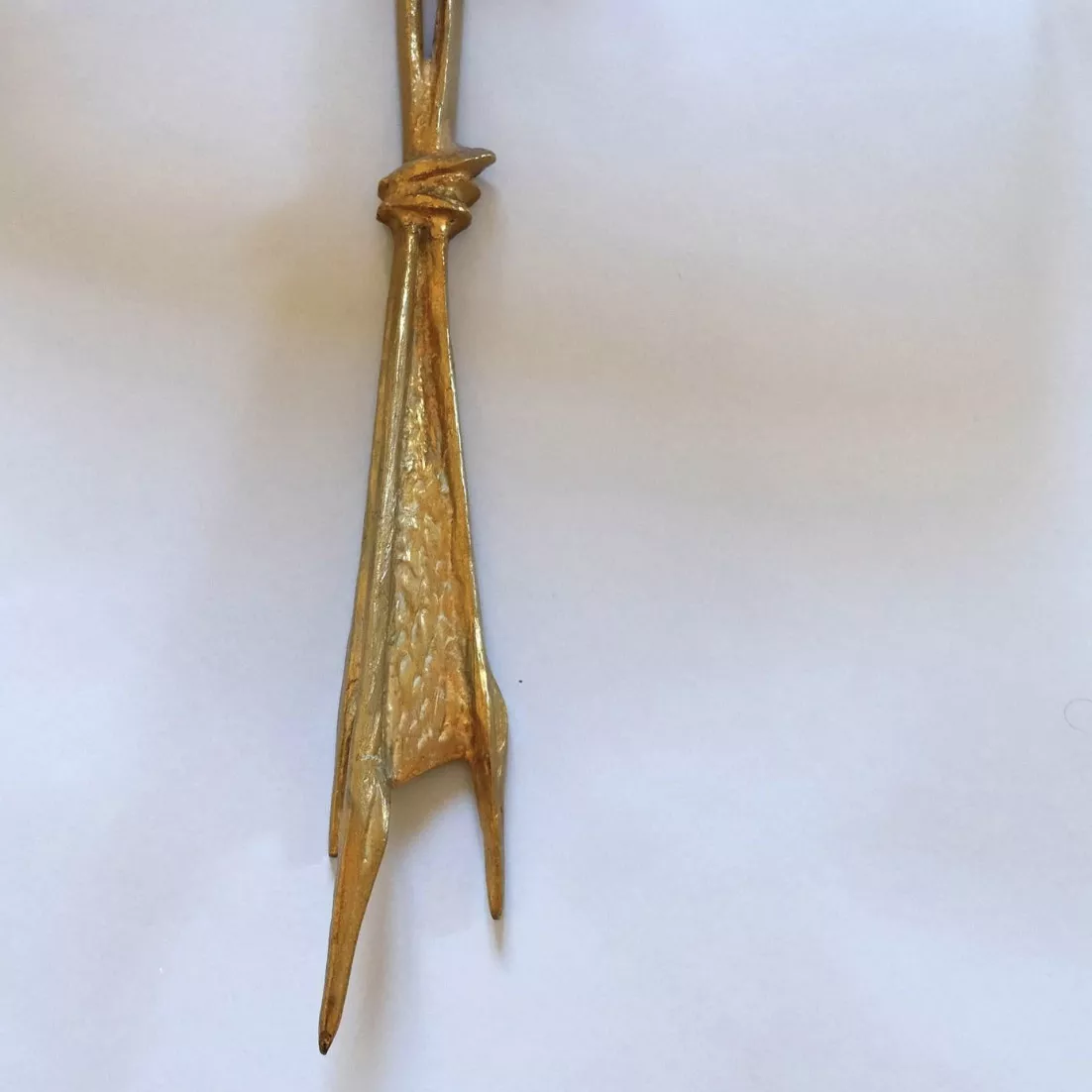
Thanks to their refined design, quality craftsmanship, comfort, historical value, and aesthetic appeal, Félix Agostini’s creations are in high demand among furniture enthusiasts and are highly prized on the market. Their value varies depending on the year of production and their condition.
Their prices can soar at auction, particularly for his furniture and lighting fixtures, which are adaptable to a wide range of interiors.
Prices on the auction market range from €130 to €40,000. In 2022, a “Phoebee” coffee table dating from 1964 sold for €40,000, despite an estimate of between €18,000 and €22,000.
Ranking by value, from the most basic to the most prestigious
Technique used | Result |
|---|---|
Sculpture—three-dimensional | From €130 to €6,500 |
Light fixture | From €355 to €32,000 |
Furniture | From €850 to €40,000 |
Estimate in less than 24h
Placing the Artist in Context
Period
Félix Agostini (1910–1980) was a designer who worked during the revival of the decorative arts and design in France after World War II. His career flourished particularly during the 1940s–1970s, a period marked by reconstruction and the rise of modern furniture.
He was part of a generation of designers working to redefine the relationship between craftsmanship, design, and industrial production.
Movements
Félix Agostini is associated with modernist design through his pursuit of clean lines, the clarity of structures, and the harmony between function and aesthetics. He produced furniture and lighting fixtures conceived as objects that are both utilitarian and visually self-contained.
His work draws on functionalism, prioritizing utility, constructive rationality, and formal simplicity. His aesthetic is minimalist and geometric, reducing volumes to essential forms, often based on metal or modular structures.
He emerged during a period of widespread adoption of modern furniture, alongside designers such as Jean Prouvé and Charlotte Perriand, while maintaining a distinct approach focused on lighting and domestic objects.
The Life of Félix Agostini
Cultural Context
Félix Agostini was part of the revival of 20th-century French decorative arts, marked by a redefinition of the relationship between craftsmanship, design, and artistic production after World War II.
His work falls within the realm of furniture and the applied arts, where the boundary between artistic works and functional objects tends to blur in favor of a unified conception of creation.
He developed a formal language characterized by clean lines, a focus on materials, and a quest for balance between functionality and aesthetic value. His work contributed to the evolution of French design toward a measured modernity, integrating both traditional and contemporary influences into furniture design.
Artistic and Intellectual Circle
His career unfolded within an artistic milieu closely tied to the furniture makers and designers active in postwar France, who were committed to redefining the decorative arts.
He developed his practice within a context shaped by the explorations of figures such as Jean Prouvé and Charlotte Perriand, whose work examined the relationships between form, function, and production.
Galleries, art fairs, and institutions dedicated to the decorative arts served as essential venues for the dissemination and recognition of his work within the field of 20th-century French design.

Techniques by Félix Agostini
The Artist’s Style
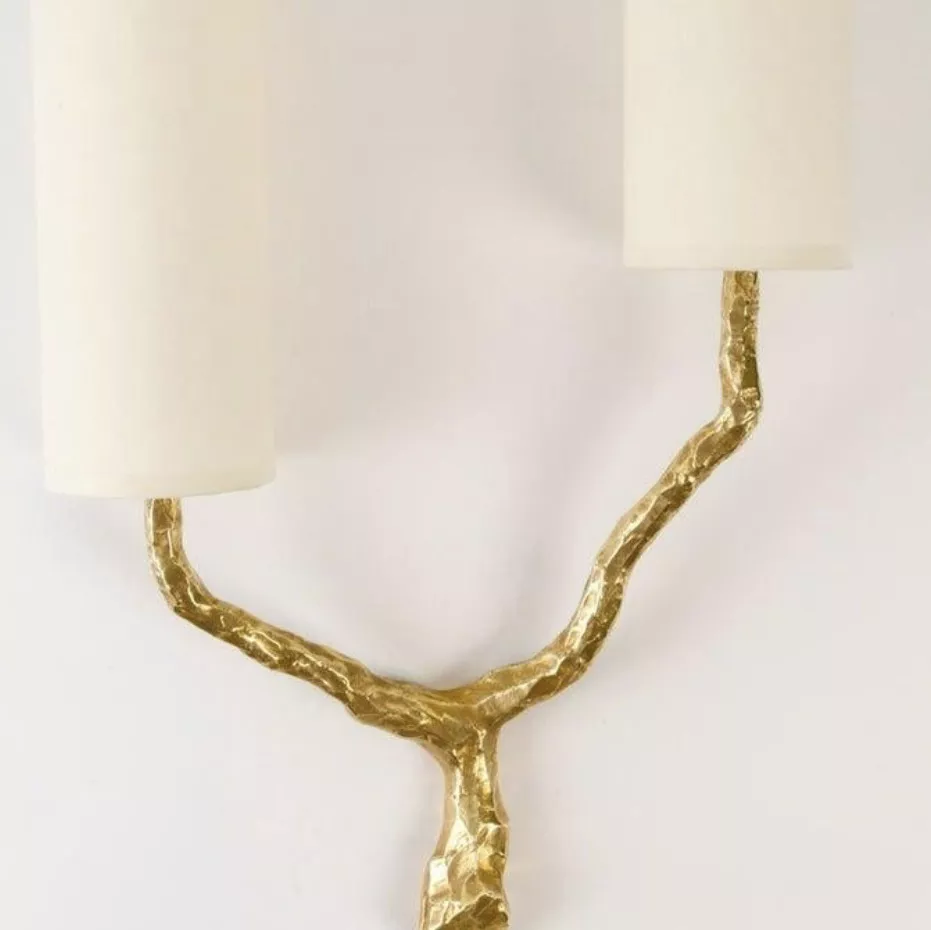
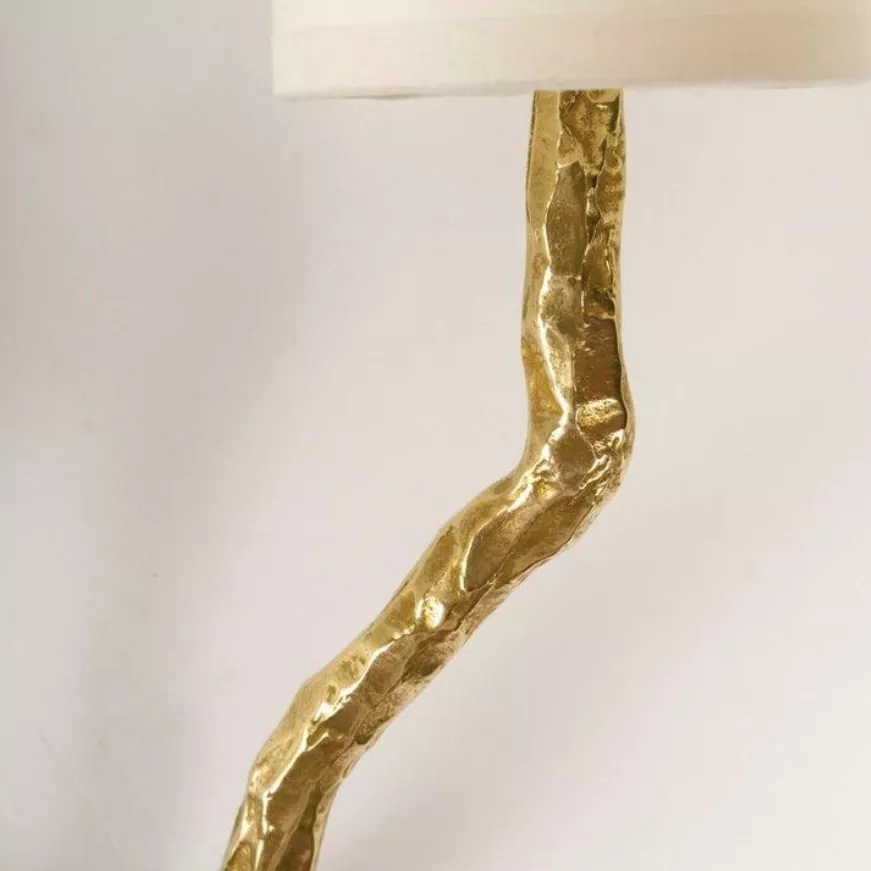
Félix Agostini seeks a balance between an object’s functionality and its sculptural value, with each piece conceived as an autonomous form. He favors the use of fine materials such as bronze, brass, precious woods, and glass, which he crafts with exceptional skill.
His body of work reveals a taste for clean lines and geometric volumes, tempered by refined details and meticulous finishes. He is influenced by late Art Deco and modernist aesthetics, evident in the simplicity and precision of his compositions.
He places great importance on proportions and visual balance, revealing an architectural approach to furniture design. He discreetly incorporates decorative elements—without overloading the design—to enhance formal clarity.
Spotlight on a Key Work
Bronze and Glass Coffee Table (circa 1960)
This table, which has been produced in several editions, features a bronze structure with clean, precise lines, forming a visible, sculptural framework. The transparent glass top highlights the construction of the base and the quality of the metal material.
This piece strikes a balance between visual lightness (glass) and material density (bronze), creating a controlled contrast. There is no superfluous decoration; its aesthetic value rests on the purity of its forms and proportions.
Its utilitarian function is fully embraced, while giving the object an artistic presence of its own. This piece is representative of modernist furniture that combines technical precision, formal simplicity, and a sculptural quality.
FAQ – How do you appraise a work by Félix Agostini?
1) What criteria specific to Félix Agostini are key?
The analysis focuses on the geometric precision of the forms, the elegance of the metal structures, and the combination of high-quality materials—characteristics of a decorative style that bridges modernism and the aesthetics of the 1970s.
2) How important are the quality of craftsmanship and materials?
Particular attention is paid to the quality of the joints, the surface finishes (polishing, patina, lacquering), and the integrity of the materials—all essential elements for assessing the value of designer furniture.
3) What role do production run and the rarity of the model play?
The distinction between a one-of-a-kind piece, a small-batch production, or a larger production run is a determining factor, as certain rare or limited-circulation models are particularly sought after on the market.
Recognizing the Artist’s Signature
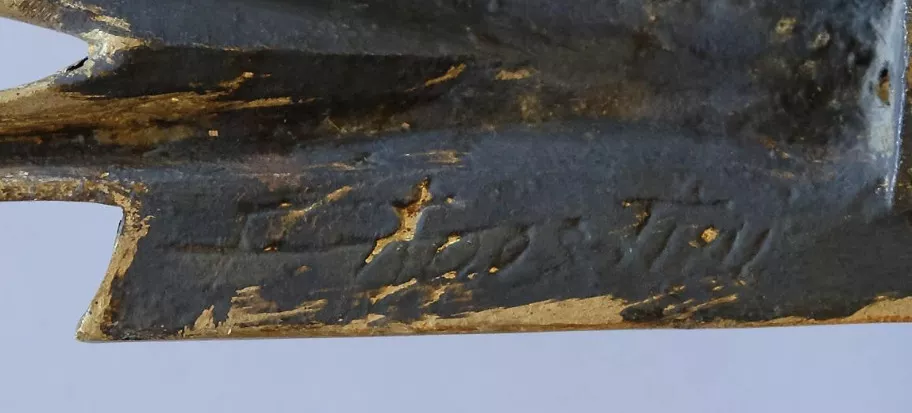
Despite their recognizable style, the artist’s works are not always signed—which underscores the need for expert appraisal, as there are many copies in circulation.
Get Your Félix Agostini Artwork Appraised
If you own a work by Félix Agostini, an appraisal will help you determine its current market value.
Using our online form, our experts and certified auctioneers will conduct a free appraisal and provide you with a reliable estimate of your artwork’s market value.
If you’re considering selling it, we’ll guide you through the process to ensure you get the best possible price.
Estimate in less than 24h
Discover in the same theme

Rating and value of Gufram furniture
Gufram is a designer furniture house founded in the 20th century, producing unique furniture that is highly rated on the auction market.
Learn more >

Rating and value of the Berger and Méribel stools by Charlot...
Charlotte Perriand's Berger and Méribel stools are very popular items, with high auction prices. Estimated in 24h.
Learn more >

Rating and value of chairs and furniture by Carlo Pagani
Carlo Pagani is an Italian designer who has produced furniture, especially chairs and armchairs, that are highly valued and highly rated.
Learn more >
D'autres oeuvres de mobilier design vendu aux enchères

Estimated 15.000 - 20.000 €
Charlotte PERRIAND (1903-1999) - Suite of 6 "berger" stools.

Estimated 2.500 - 5.000
Percival LAFER (b. 1936) Three-seater sofa model MP 211, circa 1975

Estimated 3.000 - 5.000
Eleanora PEDUZZI-RIVA (born 1939) Ueli BERGER (1937-2008) Klaus VOGT (born 1938) HEINZ ULRICH (20th) DE SEDE (publisher) Modular sofa model DS-600

Estimated Between €4,000 and €6,000
Pierre Chapo (1927-1987) solid elm table

Estimated Between €2,000 and €3,000
Pierre GUARICHE (1926-1995) Suite of 6 4-sided chairs

Estimated 4.000 - 6.000
Roger CAPRON (1922-2006) Soleil rectangular coffee table, circa 1965

Secure site, anonymity preserved

Auctioneer approved by the State

Free and certified estimates
Frequently asked questions
-
Who is Félix Agostini, and what is his historical context?Félix Agostini (1910–1980) was a leading French modernist designer, active primarily between 1940 and 1970. He was part of the revival of the decorative arts and French design after World War II, alongside designers such as Jean Prouvé and Charlotte Perriand. His work is characterized by a quest for balance between functionality, minimalist aesthetics, and artisanal quality, particularly in the fields of furniture and lighting.
-
What is the price range for Félix Agostini's works at auction?Félix Agostini's works sell for between €130 and €40,000 at auction. Sculptures range from €130 to €6,500, lighting fixtures from €355 to €32,000, and furniture from €850 to €40,000. These prices vary depending on the year of production, condition, the rarity of the model, and recent market trends.
-
How can you authenticate a work by Félix Agostini?Félix Agostini’s works are not always signed, which makes a professional appraisal essential to confirm authenticity and distinguish originals from copies. We recommend that you submit your artwork for a free appraisal at Auctie's: our auctioneers and certified experts will conduct a reliable authenticity analysis and provide you with a detailed appraisal within 48 hours.
-
Is this a good time to sell a work by Félix Agostini?Yes, this is a favorable time. Félix Agostini’s designs are in high demand among collectors and enthusiasts of modern furniture thanks to their refined design, high-quality craftsmanship, and historical significance. They complement many contemporary interiors, which helps support prices on the auction market.
-
How does the appraisal and sale of a work of art take place at Auctie's?The appraisal is free and non-binding: simply submit your artwork via our online form, and our certified experts will provide you with a reliable estimate of its market value within 48 hours. If you decide to sell, we’ll guide you through the entire process—from appraisal to auction—to ensure you get the best possible price for your item.
